



Cloud Server vs Dedicated Server: តើមានភាពខុសគ្នាអ្វីខ្លះ?
17/11/2025នៅក្នុងអត្ថបទនេះ យើងនឹងជ្រៀតចូលទៅវិភាគអោយកាបន់តែស៊ីជំរៅ និងប្រៀបធៀប អោយបានលម្អិតរវាង Cloud Server និង Dedicated Server ដើម្បីជួយអ្នកក្នុងការជ្រើស រើសដ៏ត្រឹមត្រូវ និងមានប្រសិទ្ធភាពបំផុតសម្រាប់សហគ្រាស ឬគម្រោងរបស់អ្នក ។ ចូរយើងស្វែងយល់ជាមួយ Vcloudia តទៅនេះ។
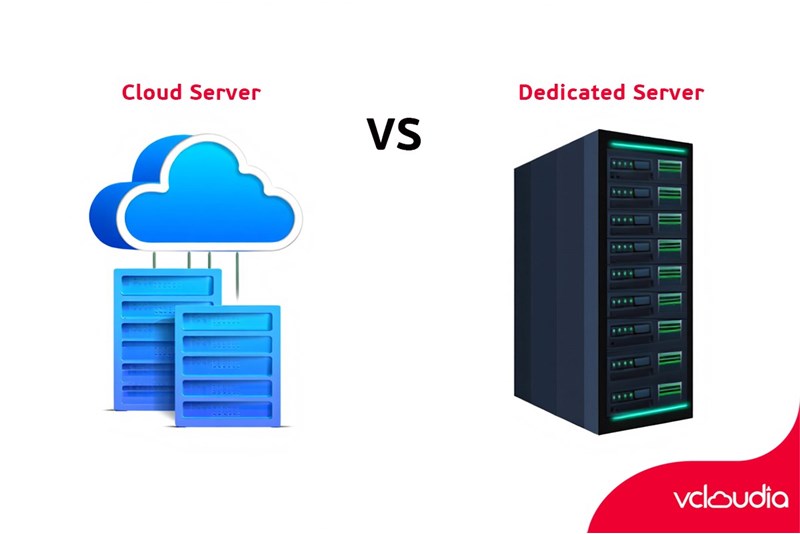
ការពន្យល់អំពី Server នីមួយៗ
មុននឹងចូលទៅការប្រៀបធៀប យើងត្រូវស្វែងយល់អំពីលក្ខណៈ និងមុខងាររបស់ Server នីមួយៗជាមុនសិន។ វាជួយឱ្យអ្នកយល់បានច្បាស់អំពីការប្រើប្រាស់ វិធីដំណើរការ និងរបៀប ប្រតិបត្តិការរបស់ប្រព័ន្ធទាំងនេះ។
1. អំពី Cloud Server
Cloud Server ឬ cloud-based server គឺជាប្រភេទម៉ាស៊ីនមេដែលតម្លើងលើបច្ចេកវិទ្យា Cloud Computing ។
ការគ្រប់គ្រង និងដំណើរការ Cloud Server ត្រូវបានផ្តល់ជាសេវាកម្ម (service) ដោយ provider ធំៗ ដោយប្រើបច្ចេកវិទ្យា Virtualization Technology ដើម្បីបំបែក Hardware ជា Virtual Server ដែលមានសមត្ថភាព Scalable និង Flexible។
Cloud Server មិនពឹងផ្អែកលើ Hardware តែមួយឡើយ ប៉ុន្តែពួកវាពឹងផ្អែកលើ Datacenter ធំៗ ដែលអាចចែកចាយ Resource តាមតំរូវការនៅគ្រប់ពេលវេលា។
អត្ថប្រយោជន៍សំខាន់បំផុតគឺ ការពង្រីក Resource បានលឿន និងភាពបត់បែនខ្ពស់ សាកសមសម្រាប់អាជីវកម្មកំពុងតែរីកចំរើន ឬគម្រោងដែល Workload មានការប្រែ ប្រួលខ្លាំង។
2. អំពី Dedicated Server
Dedicated Server ឬ Server ផ្ទាល់ខ្លួន គឺជាម៉ាស៊ីនមេ Hardware មួយគត់ ដែលផ្តល់ ឱ្យតែអតិថិជនម្នាក់ប៉ុណ្ណោះ។ Resource ទាំងអស់ — CPU, RAM, Storage, Bandwidth — មិនចែករំលែកជាមួយអ្នកណាផ្សេងទៀតឡើយ។
Dedicated Server សាកសមសម្រាប់អាជីវកម្ម ឬអង្គភាពធំៗ Website មាន Traffic ខ្ពស់ ឬប្រព័ន្ធត្រូវការការគ្រប់គ្រង និងសុវត្ថិភាពកម្រិតខ្ពស់។
នេះជាវិធីបុរាណ (old format) ដែលមិន flexible ដូច Cloud Server ប៉ុន្តែមាន ភាពមាន ស្ថេរភាព និងសុវត្ថិភាពខ្ពស់ជាង។
ការប្រៀបធៀប Cloud Server និង Dedicated Server
1. ប្រសិទ្ធភាព និង Resource
- Cloud Server៖ Resource flexible ងាយពង្រីកដោយ Virtualization។
- Dedicated Server៖ Resource មានស្ថេរភាពខ្ពស់ជាង ព្រោះ Hardware ផ្តាច់មុខ មួយតែឯង។
2. សមត្ថភាពពង្រីក (Scalability)
- Cloud Server៖ ពង្រីក CPU, RAM, Storage បានភ្លាមៗ (Pay-as-you-go)
- Dedicated Server៖ ត្រូវប្តូរ Hardware នឹងចំណាយពេល និងថ្លៃខ្ពស់។
3. ចំណាយ (Cost)
- Cloud Server៖ ចំណាយដំបូងទាប សាកសមសម្រាប់ Startup ឬ SMEs។
- Dedicated Server៖ តម្លៃដំបូងខ្ពស់ ប៉ុន្តែមានប្រសិទ្ធភាពខ្ពស់ និងមានស្ថេរភាព (stability) ។
4. សុវត្ថិភាព (Security & Privacy)
- Dedicated Server៖ សុវត្ថិភាពខ្ពស់បំផុត ព្រោះមិនចែក Resource។
- Cloud Server៖ មានកម្រិតសុវត្ថិភាពខ្ពស់ ប៉ុន្តែរងឥទ្ធិពល multi-tenant។
5. ការផ្លាស់ទី និងការបម្លែង (Migration & Backup)
- Cloud Server៖ ល្អជាង, ងាយ clone, backup, scale-out។
- Dedicated Server៖ Migration ភាគច្រើនចំណាយពេល និងមាន downtime។
6. High Availability និង Reliability
- Cloud Server៖ មាន Redundancy និង Auto Failover ក្នុង Datacenter ច្រើន។
- Dedicated Server៖ ពឹងផ្អែកលើ Hardware តែមួយ → ប្រសិនបើបញ្ហានឹងមាន downtime។
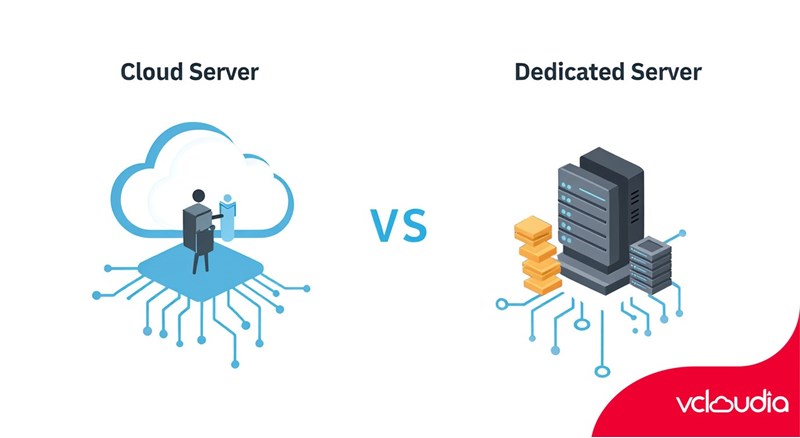
អត្ថប្រយោជន៍របស់ Server នីមួយៗ
Cloud Server
- Scalability លឿន
- ការចំណាយទាប & Pay-as-you-go
- Backup, redundancy & disaster recovery គឺមានភាពល្អ
- ងាយស្រួលក្នុងការគ្រប់គ្រង
Dedicated Server
- គ្រប់គ្រងបាន 100%
- សុវត្ថិភាព និងប្រសិទ្ធភាពខ្ពស់
- Customization Hardware/Software ដល់កម្រិតជាក់លាក់មួយ
- សាកសមសម្រាប់ស្ថាប័នធំៗ (Banking, Ecommerce, Enterprise Software)
ចំនុចខ្សោយ (Limitations)
Cloud Server
- ពឹងផ្អែកលើ Provider
- ត្រូវការថវិការចំណាយខ្ពស់ ប្រសិនបើ Resource ប្រើច្រើនរយៈពេលវែង
- Multi-tenant security risks
Dedicated Server
- ចំណាយដំបូងខ្ពស់
- មិន flexible ក្នុងការពង្រីក
- ត្រូវការទីភ្នាក់ងារ IT ប្រសិទ្ធភាពខ្ពស់
- Hardware ត្រូវការថែទាំជាបន្តបន្ទាប់
តើពេលណាគួរជ្រើស Cloud Server / Dedicated Server?
✔ ជ្រើស Cloud Server ប្រសិនបើ៖
- ត្រូវការពង្រីកលឿន
- ការចំណាយដំបូងមានកំរិតទាប
- Startup / SMEs / Project មាន traffic ផ្លាស់ប្តូរ
- ចង់ពឹងផ្អែកលើ provider ដើម្បីគ្រប់គ្រង hardware
✔ ជ្រើស Dedicated Server ប្រសិនបើ៖
- ត្រូវការសុវត្ថិភាពខ្ពស់
- Traffic ធំ និងមានស្ថេរភាព
- Enterprise, Banking, ERP, Ecommerce
- ត្រូវការគ្រប់គ្រង Hardware & Software 100%
សន្និដ្ឋាន
ក្នុងការប្រៀបធៀប Cloud Server vs Dedicated Server មិនមានចម្លើយតែមួយសម្រាប់គ្រប់ករណីនោះទេ។
- Cloud Server → Flexible, cost optimization, suitable for dynamic workloads
- Dedicated Server → Full control, high performance, top security
ជម្រើសត្រូវធ្វើតាម Strategy, Budget, និង Technical Requirement របស់អង្គការ។ ការយល់ច្បាស់ពីអត្ថប្រយោជន៍ និងចំនុចខ្សោយនីមួយៗ នឹងជួយអ្នកធ្វើការសម្រេចចិត្តបានប្រសើរជាងមុន និងបង្កើនប្រសិទ្ធភាពប្រព័ន្ធ IT Infrastructure របស់អ្នក។
មិនចាំបាច់ព្រួយបារម្ភអំពីការវិនិយោគលើផ្នែករឹង មិនចាំបាច់ចំណាយពេលវេលាលើការដាក់ពង្រាយ ឬថែទាំ - Cloud Server របស់ Vcloudia គឺជាជំហានដ៏ល្អបំផុតដើម្បីជួយសហគ្រាសឱ្យដំណើរការប្រកបដោយភាពបត់បែន សុវត្ថិភាព និងសន្សំសំចៃក្នុងសម័យឌីជីថល។
សូមឱ្យ Vcloudia រួមដំណើរជាមួយសហគ្រាសរបស់លោកអ្នកលើដំណើរឆ្ពោះទៅរកកំណើនប្រកបដោយនិរន្តរភាព!
📞 ទំនាក់ទំនងមកយើងភ្លាមៗ ដើម្បីទទួលបានការផ្ដល់ប្រឹក្សា និងការប្រើប្រាស់សាកល្បងដោយឥតគិតថ្លៃ។
🌐 Vcloudia - អ្នកផ្គត់ផ្គង់សេវា Cloud និងមជ្ឈមណ្ឌលទិន្នន័យឈានមុខគេនៅកម្ពុជា។
📞 Hotline: +855 888 55 66 08
📩 Email: support@vcloudia.com
🌐 Website: https://vcloudia.com
ព័ត៌មានដែលទាក់ទង
អ្វីទៅជា Cloud Architecture? សមាសភាគ និងវិធីដំណើរការយ៉ាងលម្អិត
រចនាសម្ព័ន Cloud (Cloud Architecture) គឺជា គ្រឹះសំខាន់ សម្រាប់សេវាកម្មបច្ចេកវិទ្យា សម័យទំនើប ដែលអនុញ្ញាតឲ្យអាជីវកម្មនិងបុគ្គលអាចសម្រួលនិងបង្កើនប្រសិទ្ធភាពក្នុង ការផ្ទុកទិន្នន័យការប្រតិបត្តិការ ទិន្នន័យ និងការផ្តល់សេវាកម្មតាមអ៊ីនធឺណិត ដោយមាន ភាព បត់បែន និង កាត់បន្ថយតម្លៃចំណាយ ។ យើងមកស្វែងយល់ពីផ្នត់គំនិតមួយនេះ អោយកាន់តែជ្រាលជ្រៅជាមួយ Vcloudia។
VCLOUDIA និង METFONE ចុះហត្ថលេខាផ្តល់ភាពជាដៃគូយុទ្ធសាស្រ្ត – បង្កើតប្រព័ន្ធអេកូស៊ីស្ទឹម Cloud កម្ពុជា
នៅថ្ងៃទី ៣០ ខែតុលា ឆ្នាំ ២០២៥ នៅរាជធានីភ្នំពេញ (ប្រទេសកម្ពុជា) Vcloudia – ម៉ាក Cloud របស់ Viettel IDC នៅកម្ពុជា និង Metfone អ្នកផ្ដល់សេវាកម្មទូរគមនាគមន៍ឈានមុខគេនៅកម្ពុជា បានចុះហត្ថលេខា លើកិច្ចព្រមព្រៀង (MOU) ស្តីពីការអភិវឌ្ឍន៍ និងពាណិជ្ជកម្មសេវាកម្ម Cloud។
អ្វីទៅជា Multi Cloud? វាដំណើរការយ៉ាងដូចម្តេច ជាមួយនឹងអត្ថប្រយោជន៍ និងគុណវិបត្តិរបស់វា
ក្នុងសម័យឌីជីថលសព្វថ្ងៃ អាជីវកម្មកំពុងស្វែងរកដំណោះស្រាយល្អបំផុត ដើម្បីបង្កើនប្រសិទ្ធភាព ក្នុងការប្រតិបត្តិការ កាត់បន្ថយហានិភ័យ និងបង្កើនប្រាក់ចំណេញ។ មួយក្នុងចំណោមយុទ្ធសាស្ត្រ ដែលកំពុងពេញនិយមកើនឡើងគឺ Multi Cloud។ ក្នុងអត្ថបទនេះ Vcloudia នឹងពន្យល់អំពី Multi Cloud ពីទ្រឹស្តីរហូតដល់ការអនុវត្តជាក់ស្តែង។
ការប្រើប្រាស់ Cloud Computing ក្នុងវិស័យសុខាភិបាល
ការអនុវត្ត Cloud Computing ក្នុងវិស័យសុខាភិបាលកំពុងនាំមកនូវយុគសម័យថ្មីនៃការកែលម្អគុណភាពសេវាកម្ម ការបង្កើនប្រសិទ្ធភាពប្រតិបត្តិការមន្ទីរពេទ្យ និងការបំលែងឌីជីថលយ៉ាងទូលំទូលាយទូទាំងវិស័យវេជ្ជសាស្ត្រ។ នេះមិនមែនជានិន្នាការដែលនៅឆ្ងាយទៀតឡើយ ប៉ុន្តែបានក្លាយជាផ្នែកសំខាន់មួយនៃបដិវត្តន៍បច្ចេកវិទ្យាក្នុងវិស័យសុខាភិបាល។
តើ Cloud Server អាចជំនួស Physical Server បានទាំងស្រុងដែរឬទេ? ការវិភាគជាក់ស្តែងសម្រាប់អាជីវកម្ម
នៅក្នុងយុគសម័យនៃការបំលែងឌីជីថលសព្វថ្ងៃ អាជីវកម្មកំពុងស្វែងរកវិធីសាស្ត្រជាបន្តបន្ទាប់ ដើម្បីបង្កើនប្រសិទ្ធភាពហេដ្ឋារចនាសម្ព័ន្ធបច្ចេកវិទ្យារបស់ពួកគេ ក្នុងគោលបំណងធ្វើឱ្យប្រតិបត្តិការកាន់តែមានប្រសិទ្ធភាព។ សំណួរមួយដែលត្រូវបានសួរញឹកញាប់បំផុតគឺ៖ “តើ Cloud Server អាចជំនួស Physical Server បានទាំងស្រុងដែរឬទេ?” ជាមួយ Vcloudia សូមស្វែងយល់ពីការវិភាគ និងការប្រៀបធៀបស៊ីជម្រៅរវាង Cloud Server និង Physical Server ដើម្បីជួយឱ្យអាជីវកម្មធ្វើការសម្រេចចិត្តដែលសមស្របបំផុតសម្រាប់ដំណាក់កាលអភិវឌ្ឍន៍នីមួយៗរបស់ខ្លួន។
តើ Startup គួរជ្រើសរើស Cloud Server ឬ VPC ដើម្បីបង្កើនប្រសិទ្ធភាពចំណាយ និងដំណើរការ?
តើ Startup គួរជ្រើសរើស Cloud Server ឬ VPC? នេះគឺជាសំណួរដែលស្ថាបនិក និងអ្នកគ្រប់គ្រងបច្ចេកវិទ្យាជាច្រើនតែងតែជួបប្រទះ នៅពេលសាងសង់ហេដ្ឋារចនាសម្ព័ន្ធសម្រាប់អាជីវកម្មថ្មីរបស់ពួកគេ។ ការជ្រើសរើសដ៏ត្រឹមត្រូវមិនត្រឹមតែជួយបង្កើនប្រសិទ្ធភាពចំណាយប៉ុណ្ណោះទេ ប៉ុន្តែថែមទាំងធានាបាននូវដំណើរការមានស្ថេរភាព និងការពង្រីកធនធានដែលបត់បែនបាននៅពេលចាំបាច់។ Vcloudia ផ្តល់ជូននូវទិដ្ឋភាពទូទៅដ៏ទូលំទូលាយអំពី Cloud Server និង Virtual Private Cloud (VPC) ដើម្បីជួយឱ្យអ្នកធ្វើការសម្រេចចិត្តបានយ៉ាងមានប្រសិទ្ធភាពបំផុតសម្រាប់អាជីវកម្មរបស់អ្នក។
តើ Hybrid Cloud គឺជាអ្វី? របៀបដំណើរការ អត្ថប្រយោជន៍ គុណវិបត្តិ និងពេលណាគួរប្រើវា
នៅក្នុងយុគសម័យឌីជីថលសព្វថ្ងៃ ការបង្កើនប្រសិទ្ធភាពនៃការពង្រីកធនធាន (Scalability) ការគ្រប់គ្រងទិន្នន័យ និងដំណើរការប្រតិបត្តិការ គឺជាកត្តាសំខាន់សម្រាប់អាជីវកម្មក្នុងការរក្សាបាននូវភាពប្រកួតប្រជែង។ ដំណោះស្រាយបច្ចេកវិទ្យាដ៏មានប្រសិទ្ធភាពបំផុតមួយគឺគំរូ Hybrid Cloud។ ដូច្នេះ តើ Hybrid Cloud គឺជាអ្វី? វាដំណើរការយ៉ាងដូចម្តេច? ហើយហេតុអ្វីបានជាអង្គការជាច្រើនកំពុងជ្រើសរើសវិធីសាស្ត្រនេះ? សូមស្វែងយល់ចម្លើយជាមួយ Vcloudia ខាងក្រោម។
តើ DaaS (Desktop as a Service) គឺជាអ្វី?
ជាមួយនឹងសមត្ថភាពក្នុងការផ្តល់បទពិសោធន៍ការងារដែលបត់បែនបាន សុវត្ថិភាពកម្រិតខ្ពស់ និងការគ្រប់គ្រងកណ្តាល DaaS កំពុងក្លាយជានិន្នាការមិនអាចជៀសវាងបាននៅក្នុងយុទ្ធសាស្ត្របច្ចេកវិទ្យារបស់សហគ្រាសទំនើប។ ជាមួយ Vcloudia សូមស្វែងយល់ឱ្យបានស៊ីជម្រៅអំពីគោលគំនិត ប្រតិបត្តិការ ស្ថាបត្យកម្ម អត្ថប្រយោជន៍ កម្រិតកំណត់ និងវេទិកាពេញនិយមរបស់ DaaS ដើម្បីទទួលបានការយល់ដឹងដ៏ទូលំទូលាយអំពីបច្ចេកវិទ្យាដ៏បដិវត្តន៍នេះ។
តើ BaaS (Backend as a Service) គឺជាអ្វី?
BaaS កំពុងក្លាយជាជម្រើសដែលពេញនិយមកាន់តែខ្លាំងសម្រាប់ក្រុមហ៊ុន Startup អាជីវកម្មខ្នាតតូច និងមធ្យម និងក្រុមអភិវឌ្ឍន៍ផលិតផលដែលត្រូវការបញ្ចេញ MVP ឱ្យបានរហ័ស។ ដូច្នេះ BaaS គឺជាអ្វី? វាដំណើរការយ៉ាងដូចម្តេច? តើមានអត្ថប្រយោជន៍ និងកម្រិតកំណត់អ្វីខ្លះ? ហើយតើពេលណាដែលគួរប្រើវា? សូមស្វែងយល់បន្ថែមជាមួយ Vcloudia ក្នុងអត្ថបទខាងក្រោម។
Virtual Private Cloud ប្រៀបធៀបនឹង Dedicated Private Cloud៖ ភាពខុសគ្នាសំខាន់ៗ
នៅក្នុងយុគសម័យឌីជីថលបច្ចុប្បន្ន ការជ្រើសរើសវេទិកាកុំព្យូទ័រពពក (Cloud Computing) ដែលសមស្រប មានតួនាទីសំខាន់យ៉ាងខ្លាំងចំពោះប្រសិទ្ធភាពប្រតិបត្តិការរបស់អាជីវកម្ម។ VPC និង DPC គឺជាគំនិតពីរដែលត្រូវបានពិភាក្សាជាញឹកញាប់ នៅពេលអង្គការខិតខំបង្កើនប្រសិទ្ធភាព សុវត្ថិភាព និងការគ្រប់គ្រងចំណាយ។ តោះមកស្វែងយល់លម្អិតអំពីម៉ូឌែលសេវាកម្មទាំងពីរនេះជាមួយ Vcloudia។